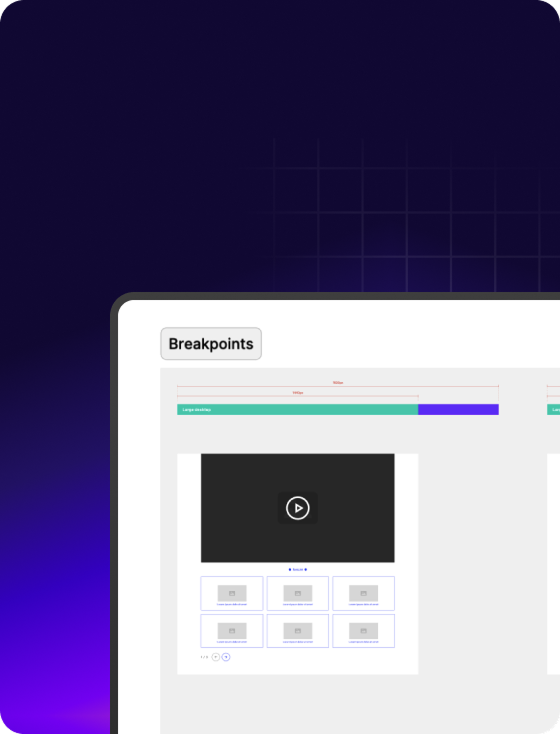

Wafer Design System
33
Intel AEM components supporting 17 developers and 23 designers.
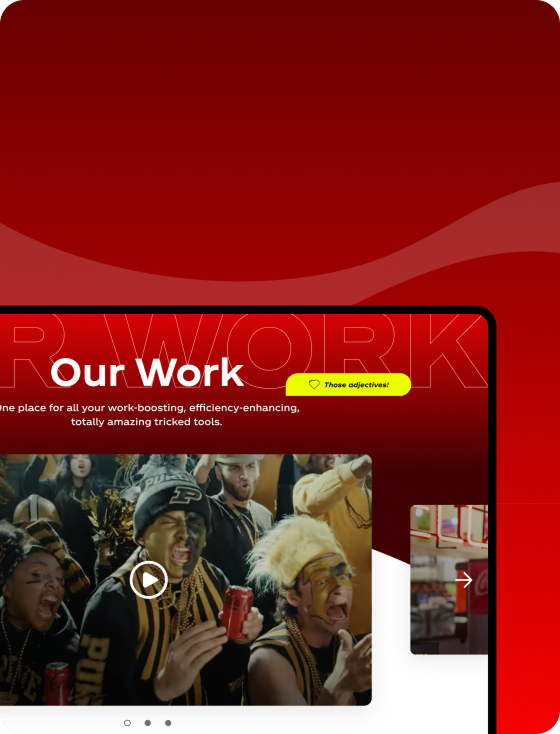

The Playground
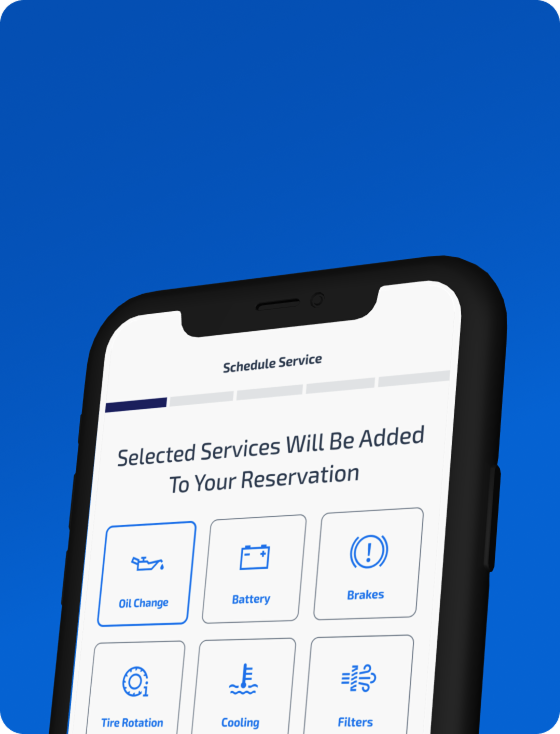

Guest Experience
+12
point increase in NPS after redesigning Ford's guest experience flow.
Let's Work Together
Reach out or add me on LinkedIn so we can connect and build something great.
Wafer Design System
33
Intel AEM components supporting 17 developers and 23 designers.
The Playground
Guest Experience
+12
point increase in NPS after redesigning Ford's guest experience flow.
Let's Work Together
Reach out or add me on LinkedIn so we can connect and build something great.
Wafer Design System
Intel's AI PC site was undergoing a full brand and site redesign, with a large team of designers building at once. The legacy design system wasn't built for that speed, or for whatever came after AI PC.
The Atomic Foundation
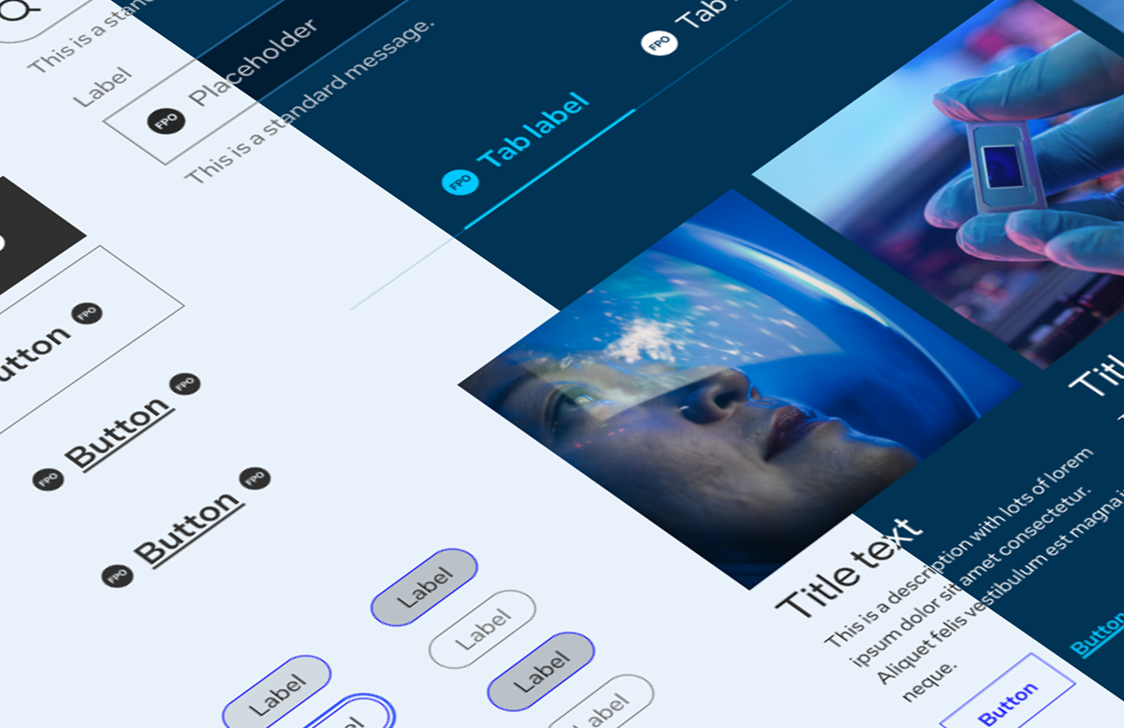
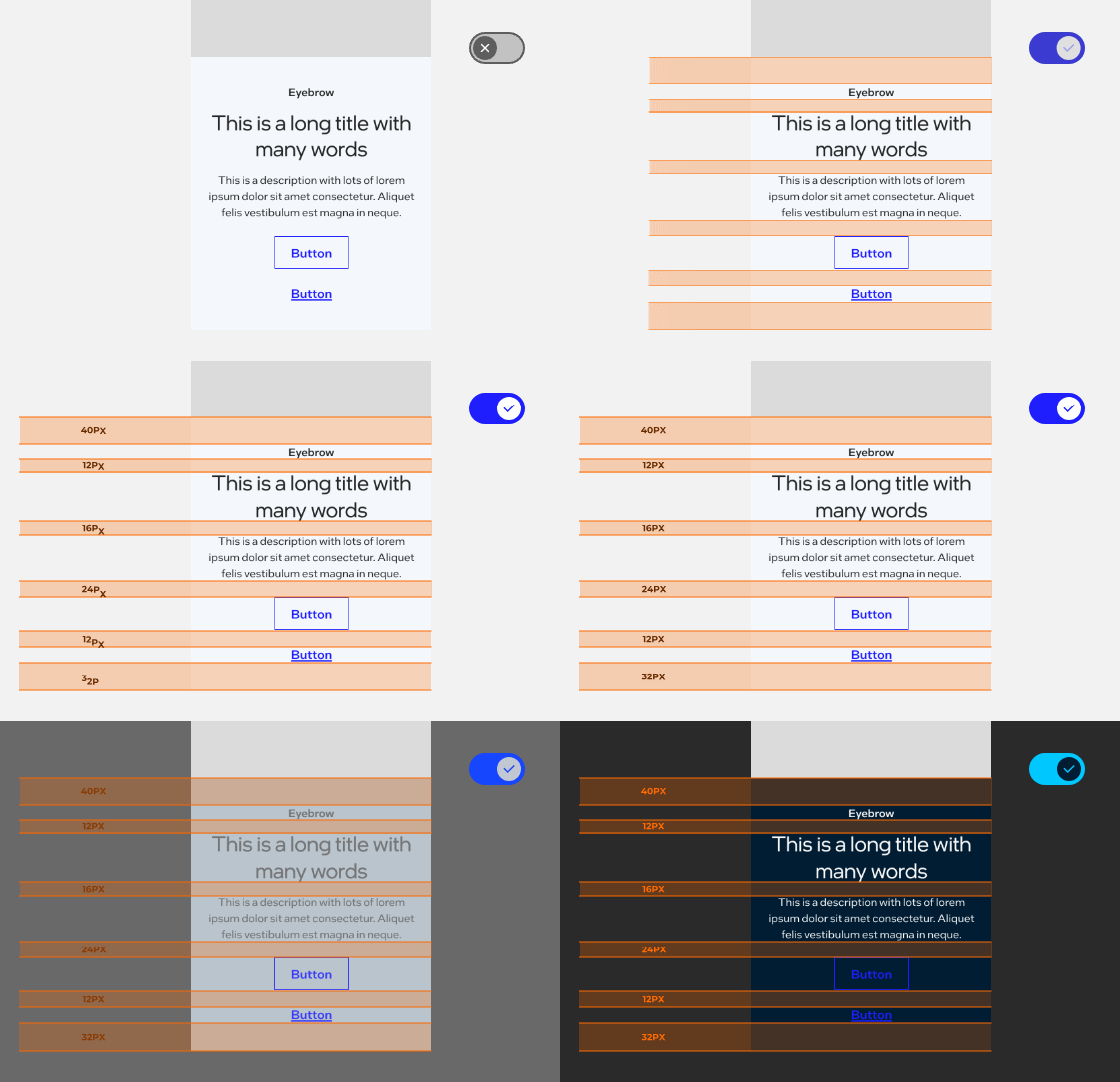
I worked alongside the design systems lead, leading component builds, to build the Wafer Design System (WDS) from the ground up. To move fast, we reskinned existing AEM components into the new visual language first, saving net-new builds for the real gaps. We tied it together with tokens, documentation, and clear rules for how new work entered the system, so engineers helped shape it, not just use it.
Keeping Pace
The system had to work for developers building pages at speed and scale too. We built WCAG AA accessibility standards directly into every component, so compliance never depended on someone catching it later. Components were also AEM-compatible, giving other teams the authoring control to build and update pages on their own after the redesign shipped.

The New Baseline
WDS went on to power Intel's site redesign: 300 tokens and 33 AEM components, each built with accessibility in from the start. 23 designers and 17 developers used it to ship the new site on one shared base.